
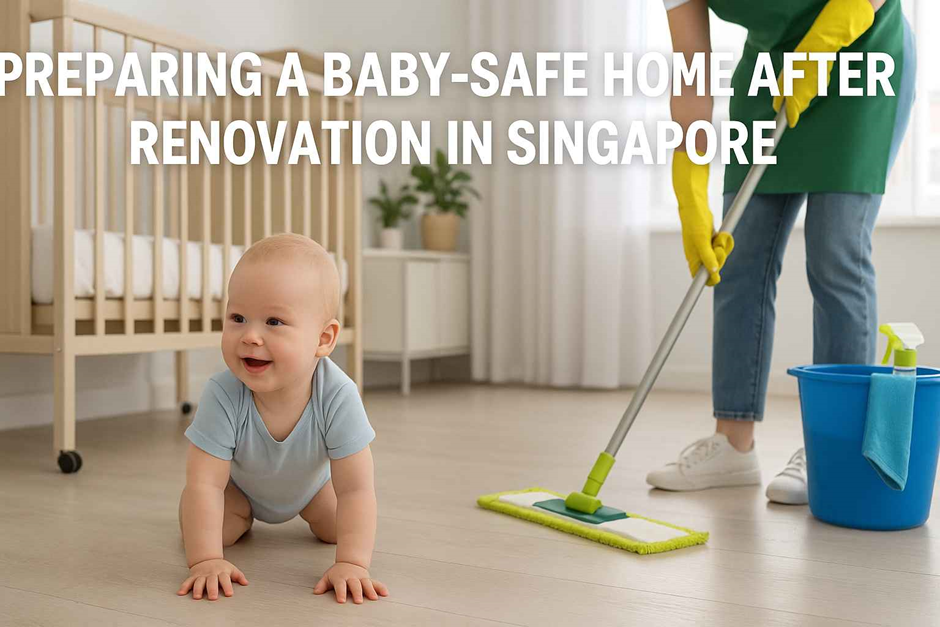
Renovating a home is exciting for many Singapore parents. Fresh paint, improved layouts, and cleaner spaces help create a better living space for the family. Yet renovation works also leave behind dust, fine particles, and chemical residue that can be harmful to babies. These tiny particles often stay in the air long after the renovation project is completed.
Babies breathe faster, explore more surfaces, and have lower immunity. This makes post renovation cleaning an important step before bringing the baby into the home. Proper cleaning after renovation supports safer breathing and reduces exposure to harmful residue.
A clean and safe environment supports healthier breathing. It reduces skin irritation and lowers the chance of allergies caused by renovation dust and chemical smells. Clean surfaces and fresh air also improve overall air quality, which is essential for new-borns and young children.
Parents also feel more confident when the home is free from dust during renovation. Proper cleaning after renovation protects everyone living in the home, especially babies who spend more time close to the floor.
Singapore homes often face added challenges because many flats have limited ventilation. Dust settles quickly in humid weather, and renovation debris remains in corners even after contractors leave. This settled dust often reappears when fans or aircon units are used.
Parents must follow systematic steps to prepare a safe and comfortable home. Proper cleaning solutions help remove hidden dirt and post renovation dust. These steps ensure a healthier start for the baby and give parents peace of mind.
Understanding Post-Renovation Risks for Babies
Renovation dust is not the same as everyday household dust. It contains fine particles from cement, plaster, paint, and wood. These particles can stay in the air for long periods and spread easily when dust settles again. Babies who crawl or sit on the floor are exposed quickly because the dust collects on low surfaces.
This dust irritates the lungs and triggers sneezing, coughing, and discomfort. Some babies experience rashes or watery eyes when exposed to dust during renovation. Removing this dust through proper cleaning is essential before the baby enters the space.
Chemical residues are another concern. Paints, adhesives, varnishes, and sealants release volatile compounds. These compounds affect breathing and reduce indoor air quality. Even when the strong smell fades, the particles can remain on surfaces. Babies often touch these areas and place their hands near their mouths, increasing exposure.
Renovation also leaves behind sharp fragments such as dried cement bits or tiny splinters. These small pieces pose physical risks to babies and toddlers who explore freely. Parents must check every corner before allowing the baby to move around. Proper post renovation cleansing and careful cleaning techniques help reduce these risks and ensure the home feels fresh and ready for daily routines.
Start with Strong Ventilation
Good ventilation removes lingering smells from renovation works and reduces airborne dust. Many Singapore apartments rely on windows for airflow, which makes ventilation extremely important after a renovation project. Keeping windows open for several days helps the home settle and allows fresh air to circulate.
Use fans to push stale air out and bring cleaner air in. Place one fan facing outside to remove dust-filled air. Place another facing the room to refresh the space and improve air movement.
Air purifiers are helpful too. Choose a purifier with a HEPA filter because HEPA filters capture small dust particles that normal filters miss. Run the purifier for long hours, especially in the baby’s room. This improves overall air quality and creates a safer breathing environment.
Continue ventilation even after the main cleaning session. Fresh air reduces humidity and prevents dust from sticking to surfaces again. This simple step supports a dust free and healthier home.
Deep Clean All Surfaces Carefully
Post renovation cleaning requires detailed work. Dust spreads to all areas, even inside closed cabinets and hidden corners. Begin by wiping surfaces from top to bottom to prevent dust from settling again. Clean ceiling fans, shelves, and cabinet tops before cleaning lower areas.
If you clean the floor first, dust from higher areas will fall again. Use proper cleaning tools and a microfiber cloth to trap fine particles effectively. These tools support a more efficient cleaning process and help maintain a dust free home.
Wipe walls, doors, frames, and window ledges. Renovation dust sticks easily to smooth areas. A gentle damp wipe removes most residue. Clean baby furniture only after the room is fully dust free to avoid recontamination.
Clean Floors Thoroughly
Floors carry the highest amount of renovation dust. Babies crawl, sit, and play on the floor, so a detailed cleaning session is essential. Start with a strong vacuum to remove loose debris. Sweeping alone does not remove fine particles.
After vacuuming, mop the floor several times using mild, baby-safe cleaning solutions. Warm water helps loosen dirt. Avoid strong chemicals because they release fumes that affect air quality. Repeat mopping until the water stays clear.
Pay attention to corners and skirting edges where dust settles easily. If you have carpets or rugs, consider a professional cleaning service because dust can remain deep within the fibres.
Clean Aircon Units and Vents
Aircon units trap dust during renovation. When switched on, they release dust back into the room. This affects air quality and causes irritation. Remove the filters and wash them thoroughly. Replace old filters if needed.
Clean ventilation fans in bathrooms and kitchens. Dust builds up quickly in these areas. Clean vents improve airflow and maintain a healthier living space.
Prepare a Safe Sleeping Area for the Baby
The baby’s sleeping area must be completely clean. Wash all bedding, blankets, and baby clothes before use. Even unused items collect dust if stored during renovation works.
Wipe the crib, mattress base, and baby furniture using mild cleaning solutions. Allow everything to dry fully before setting up the sleeping space. Avoid placing the crib near windows during the first week to reduce contact with remaining dust particles.
Use an air purifier with a HEPA filter in the room to support better air quality.
Organise Baby Items Properly
Store baby clothes, diapers, wipes, and accessories only after shelves and cabinets are fully cleaned. Dust settles inside closed spaces during renovation works, so check all corners before placing items inside.
Wash baby clothes and soft toys before use. Keep essential items inside closed containers to prevent dust from settling. Organised storage supports proper cleaning and keeps the environment safe for babies.
Check Often Overlooked Areas
Renovation dust hides in many places. Check behind sofas, under beds, and inside window tracks. Clean these areas thoroughly. Dust in hidden places spreads when fans or aircon units are turned on.
Wipe curtain rods, blinds, and grills because these areas collect fine dust. Wash curtains before reinstalling them. Dust settles easily on fabrics.
Dust also collects along tile gaps, power outlets, and cabinet hinges. Use small brushes or vacuum attachments to remove trapped dust effectively.
When Professional Help Is Useful
Some homes require deeper cleaning, especially after larger renovation projects. Busy parents may also need extra help to ensure every area is dust free. A professional cleaning service handles detailed cleaning, hidden corners, and hard-to-reach surfaces.
For families who need full-home support, affordable cleaning services in Singapore provides a convenient and cost-effective option. These services cover thorough cleaning and help restore a safe environment for the baby.
If renovation works were extensive, consider dedicated post renovation cleaning service. This service focuses on removing fine particles, cement residue, and stubborn dust, creating a cleaner and safer home.
Professional support saves time and gives parents peace of mind.
Maintain a Baby-Safe Home Daily
Dust may continue to appear for several weeks after renovation. Light daily cleaning keeps the home healthier. Vacuum and mop floors regularly. Wipe surfaces to prevent dust buildup. Wash baby bedding often to maintain freshness.
Check aircon filters weekly during the first month. Good airflow supports better air quality. Keep clutter to a minimum because clutter traps dust.
Simple cleaning habits help maintain a safe and comfortable environment for the baby.
A Clean Home Helps Your Baby Start Strong
Preparing a baby-safe home after renovation takes effort, but the results support healthier breathing, safer play, and a cleaner environment. With the right cleaning techniques, ventilation, and organisation, parents can create a safe space for their baby.
For extra help, there are affordable cleaning services inSingapore. They also offer post–renovation cleaning. These services are great for families who want peace of mind. A clean home gives your baby a healthier and more comfortable start in life.